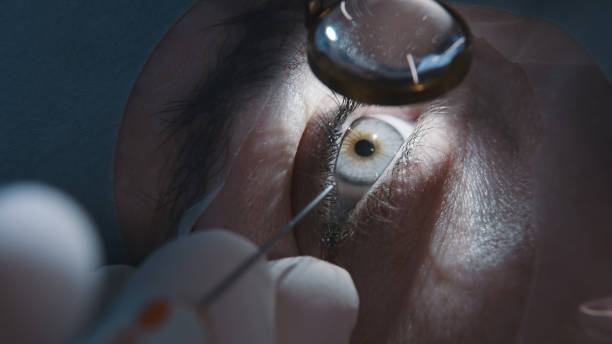
Our eyes work harder than we often realize, adjusting constantly to light, distance, and detail throughout the day. Over time, though, natural wear and aging can cloud the eye’s lens, leading to a condition known as cataracts. This gradual clouding can quietly affect daily activities like reading, driving, or recognizing faces before most people even notice the change.
Understanding the early warning signs of cataracts can make a significant difference in preserving your eyesight and overall quality of life. Below are seven key indicators that suggest it might be time to consult an eye specialist about surgery.
1. Vision Problems Interfering with Daily Life
Perhaps the clearest sign is when blurred or clouded vision starts limiting everyday independence, whether it’s difficulty reading medication labels, cooking safely, or recognizing loved ones. When lifestyle and safety are affected, surgical intervention becomes a practical consideration.
For residents seeking timely, effective treatment, exploring options for cataract surgery vadodara can help restore sharp, comfortable vision through experienced local care. Modern procedures are quick, minimally invasive, and designed to significantly improve day-to-day visual clarity.
2. Blurry or Cloudy Vision That Won’t Clear Up
If your vision seems permanently blurry or foggy, even after adjusting your glasses prescription, a cataract could be the underlying cause. This blurriness often develops slowly, making it easy to dismiss at first.
Many people describe the sensation as looking through a dirty windshield or a frosted window. Everyday tasks like reading street signs or recognizing familiar faces from a distance can become noticeably harder.
If eyewear changes no longer help, it’s worth having your eyes examined for cataract-related lens clouding.
3. Increased Sensitivity to Light and Glare
Bright sunlight, oncoming headlights, or even indoor lighting may start to feel uncomfortably harsh. This heightened sensitivity happens because the clouded lens scatters light unevenly as it enters the eye.

Night driving often becomes particularly challenging, with glare from headlights creating halos or starbursts around light sources. Some people find themselves squinting more frequently or avoiding brightly lit environments altogether.
If glare sensitivity is interfering with daily comfort, it may be a meaningful sign of developing cataracts worth discussing with an eye doctor.
4. Fading or Yellowing of Colors
Cataracts can subtly alter how colors appear, making them look faded, dull, or tinged with yellow or brown. This shift happens gradually, so many people don’t notice until colors seem strikingly different in old photographs or memories.
Whites may appear slightly yellowed, and vibrant hues can lose their richness. This change in color perception can affect creative work, driving cues like traffic lights, and even simple wardrobe choices.
Noticing a consistent color shift is a strong indicator that a professional eye evaluation is needed.
5. Frequent Changes in Eyeglass or Contact Lens Prescription
Needing new glasses or contact lenses more often than usual can be an early clue that cataracts are progressing. As the lens continues to cloud, vision fluctuates, prompting frequent prescription updates that still don’t fully resolve blurriness.
Interestingly, some people notice a temporary improvement in near vision, sometimes called “second sight,” before their eyesight worsens again. This fluctuation is a hallmark sign that the eye’s natural lens is changing structurally.
Repeated prescription changes without lasting clarity warrant a comprehensive cataract screening.
6. Difficulty Seeing Clearly at Night
Struggling to see well after sunset, especially while driving, is a common early symptom of cataracts. Reduced contrast sensitivity makes it harder to distinguish objects, pedestrians, or road markings in low light.

This difficulty often combines with glare sensitivity, making nighttime driving particularly stressful and potentially unsafe. Some individuals begin avoiding evening outings altogether simply to sidestep the visual strain.
If night vision has noticeably declined over recent months, an eye specialist can determine whether cataracts are responsible.
7. Double Vision in One Eye
Experiencing double or ghosted images, particularly in just one eye, can be an unusual but telling sign of cataracts. This occurs when the clouded lens distorts how light focuses onto the retina, creating overlapping images.
Unlike double vision caused by muscle or nerve issues, cataract-related double vision typically persists even when one eye is closed. It can make reading, screen use, and driving noticeably more difficult and disorienting.
Persistent double vision in a single eye should never be ignored and deserves a professional Vision assessment.
Lifestyle Tip: Managing stress and taking regular breaks from screens can support overall wellness. A relaxing home environment, enhanced with scented candles from Unlax Candles, can make your evenings more comfortable while you prioritize routine eye examinations.
Final Thoughts
Cataracts develop gradually, which makes early recognition all the more important. Paying attention to changes in clarity, color perception, light sensitivity, and night vision can help you seek timely care before daily life is significantly affected.
If any of these signs sound familiar, scheduling a comprehensive eye examination is a smart first step. Modern cataract surgery is safe, efficient, and highly effective, offering many patients a renewed sense of visual freedom and confidence in their everyday activities.