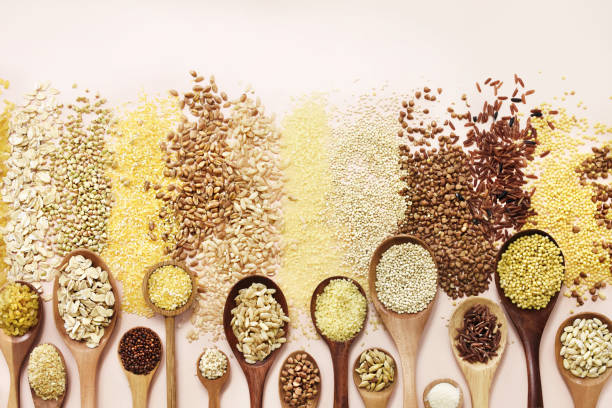
Grains show up in everyday family meals more than most people realize, from breakfast cereals and toast to lunchtime wraps and dinner-time rice or pasta. Because they are such a frequent staple, the type of grain you choose can meaningfully influence daily fiber intake, micronutrient density, and how satisfied everyone feels after meals. For busy households, grains also set the foundation for quick, repeatable recipes that still support long-term wellness.
Making smarter grain choices does not mean eliminating familiar foods or forcing dramatic menu changes. It means upgrading what you already cook by choosing whole and minimally processed grains more often, rotating a variety of options, and matching the right grain to the right meal. With a few practical swaps, family favorites can become more nourishing without losing comfort, taste, or convenience.
Whole Grains vs. Refined Grains
Whole grains keep the bran and germ intact, which is where much of the fiber, B vitamins, and minerals naturally reside. Refined grains, in contrast, have these layers removed to improve texture and shelf life, but the result is usually a product that digests faster and offers less fiber. In family meals, that difference can influence energy levels, digestion, and how quickly hunger returns after eating. Creating a pleasant kitchen and dining atmosphere with clean, naturally inspired home aromas can also make daily mealtimes feel more enjoyable and comforting for the whole family.
A simple way to upgrade is to start where grains appear most often: bread, rice, pasta, and breakfast items. Choosing whole-wheat bread, brown rice, oats, and whole-grain pasta more frequently can increase fiber intake without requiring entirely new cooking skills. For families with selective eaters, blending half whole grains with half refined grains is a practical bridge that helps everyone adjust gradually while still moving nutrition in the right direction.
Millet and Other Ancient Grains
Ancient grains are traditional staples that have gained renewed attention because many are naturally nutrient-dense and versatile. Millet, for example, works well in both savory and sweet dishes and can be prepared as a fluffy side, a warm breakfast porridge, or even as a base for grain bowls. For families, this versatility matters because one grain can support multiple meals across the week with minimal extra planning.
Sourcing can also be simpler than many people expect, especially when pantry planning is part of a weekly routine. If your household enjoys experimenting with new textures, you might choose to buy millet online to keep it on hand for quick meal rotations. The key is to introduce one new grain at a time, pair it with familiar flavors, and repeat it in different formats so it becomes a comfortable part of your family’s regular menu rather than a one-time experiment.
Oats: A Family-Friendly Staple for Breakfast and Beyond
Oats are one of the most accessible whole grains for households because they are affordable, easy to cook, and widely accepted by children and adults alike. They provide soluble fiber, which can contribute to a feeling of fullness and support heart-healthy eating patterns. From a routine perspective, oats are also helpful for families because they can be prepped in advance, making mornings calmer and more predictable.
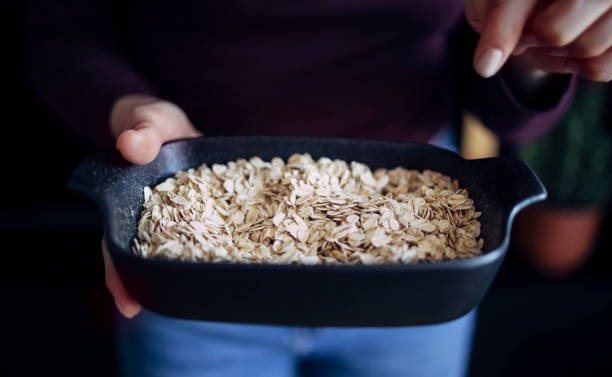
Beyond breakfast bowls, oats can play a role in everyday cooking. They can be used to add structure to homemade patties, incorporated into baking, or used as a topping for casseroles to create a comforting texture. When planning family meals, oats are a practical “multi-use” grain that supports both nutrition goals and time-saving habits.
Brown Rice, Wild Rice, and Quinoa
When dinner relies on a grain base, choosing options with more fiber and micronutrients can elevate the entire meal. Brown rice offers a familiar taste with more natural nutrients than white rice, while wild rice brings a heartier texture that pairs well with poultry, soups, and vegetable-forward dishes. Quinoa, technically a seed but commonly used like a grain, is especially convenient for quick weeknight meals because it cooks relatively fast and works well in both warm and chilled recipes.
To keep dinners family-friendly, focus on flavor and texture pairing. Brown rice complements saucy dishes, wild rice stands up well to broths and roasts, and quinoa works nicely with bright ingredients such as lemon, herbs, and roasted vegetables. Rotating these options can reduce mealtime boredom while also diversifying nutrient intake, which is a useful strategy for households trying to balance preferences, schedules, and health priorities.
Whole-Wheat and Legume-Based Pastas
Pasta night is often a non-negotiable favorite, which makes it a great opportunity for gradual nutrition upgrades. Whole-wheat pasta brings more fiber and a slightly nutty flavor, while legume-based pastas made from lentils or chickpeas can add more protein and a different texture that many families enjoy once they find the right sauce pairing. The goal is not to make pasta “perfect,” but to make it more balanced without losing its comfort-food appeal.
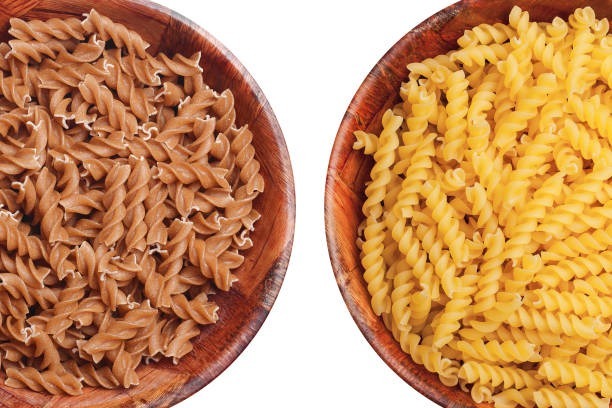
For best results, consider the sauce and add-ins as part of the grain choice. Robust tomato sauces, vegetable-rich blends, and creamy sauces with herbs can help new pasta varieties feel familiar. If you are transitioning picky eaters, mixing traditional pasta with whole-grain or legume pasta in the same dish is often a smooth step that preserves taste while improving overall nutrition.
Kid-Friendly Grain Swaps That Don’t Feel Like “Healthy Food”
Families often worry that healthier grains will be rejected at the table, but acceptance is usually a matter of presentation and repetition. Instead of making a dramatic change, try using whole grains in meals your family already loves. Swapping white rice for a brown rice blend, choosing whole-grain tortillas, or using oats in baking can feel like normal food rather than a “health project,” which lowers resistance.
Texture is frequently the deciding factor for children, so cooking method matters. Some whole grains become more appealing when cooked slightly softer or paired with a favorite topping, sauce, or familiar seasoning. Over time, small swaps can become the new normal, especially when the meal still looks and tastes like what the family expects.
Conclusion
Smart grain choices are one of the simplest ways to strengthen everyday family meals because grains appear so often across breakfast, lunch, and dinner. By prioritizing whole grains more frequently, exploring a few ancient grains such as millet, and choosing better bases for common meals like pasta and rice bowls, families can increase fiber and overall nutriIf your household enjoys experimenting with new textures, you mi ent density without making mealtimes complicated.
Consistency matters more than perfection. Start with one or two changes that fit your routine, repeat them until they feel effortless, then expand your rotation. With a steady approach, healthier grain choices can become a natural part of family life, supporting better meals day after day while still honoring taste, comfort, and practicality.