
Education is evolving beyond textbooks and test scores. Today’s families and educators are looking for schooling approaches that nurture the whole child, supporting not only academic progress but also emotional balance, social confidence, physical wellbeing, and a sense of purpose. This shift is not about abandoning rigor; it is about expanding what success means in a school setting.
Smart schooling, at its best, blends thoughtful pedagogy, supportive relationships, and meaningful real-world learning. When done well, it helps children grow into curious, capable learners who can collaborate, adapt, and thrive in changing environments. The approaches below highlight how schools can create that kind of well-rounded growth while keeping learning engaging and relevant.
Child-Centered Foundations That Build Confidence
A truly holistic school experience begins with an approach that respects how children naturally learn: through exploration, movement, choice, and repetition. When classrooms are designed to meet developmental needs, students gain confidence because they feel seen and supported rather than pressured into a one-size-fits-all mold. This is where child-centered philosophy becomes more than a teaching style—it becomes a daily structure that reduces stress and improves motivation.
Many parents exploring this direction also compare learning environments in their region, including searches like top montessori school in bangalore, because Montessori-inspired principles often align with holistic development. Whether a school is Montessori or not, the most effective programs share a focus on independence, hands-on learning, and teachers acting as guides who encourage steady, self-driven progress.
Social-Emotional Learning as a Daily Practice
Holistic growth depends on emotional skills being taught with the same seriousness as academics. Social-emotional learning works best when it is woven into everyday routines rather than treated as an occasional lesson. When children learn to identify feelings, manage frustration, and resolve conflicts respectfully, they become more ready to learn and more resilient when challenges arise.
In smart schools, teachers model calm communication and build classroom norms that make students feel safe to participate. That sense of belonging supports better focus and stronger peer relationships. Over time, students develop empathy and self-awareness, which improves collaboration and reduces behavioral issues that often stem from unmet emotional needs.
Purposeful Technology Use That Enhances Learning
Technology can either distract learners or empower them, depending on how it is used. Smart schooling treats digital tools as a means to deeper understanding rather than as entertainment or constant screen time. The focus stays on intentional use: tools that help students visualize concepts, practice skills with feedback, and create projects that demonstrate real comprehension.
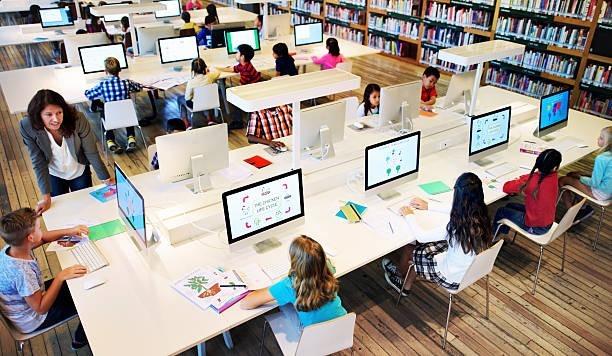
When technology supports creativity, research, and problem-solving, it expands access and personalization. At the same time, holistic schools also teach digital wellbeing by setting boundaries and encouraging healthy habits. Students learn how to concentrate, evaluate information critically, and use online spaces responsibly—skills that matter for both academic success and personal growth.
Experiential Learning That Connects School to Life
Children learn best when knowledge feels connected to the world around them. Experiential learning creates that bridge by emphasizing projects, experiments, field experiences, and real-world problem-solving. This approach helps students understand not only what to learn, but why it matters. As a result, learning becomes more meaningful, and students retain concepts more naturally.
Holistic schools design experiences that build curiosity and competence, such as community-based tasks, environmental learning, or interdisciplinary projects. These experiences strengthen communication and teamwork while also supporting a growth mindset. Students learn to adapt, reflect, and improve—qualities that serve them long after a unit test is over.
Balanced Assessment That Supports Progress, Not Pressure
Assessment shapes how students view learning. If evaluation focuses only on rankings and high-stakes outcomes, many children learn to fear mistakes. Smart schooling uses balanced assessment methods that measure growth over time and provide clear next steps. This supports both performance and wellbeing because students see feedback as guidance rather than judgment.
Teachers can maintain high expectations while still reducing anxiety by using portfolios, skill-based rubrics, and reflective self-assessment. When students understand learning goals and track their progress, they feel more in control. That sense of agency builds motivation and persistence, helping children engage with challenges instead of avoiding them.
Strong School-Home Partnerships for Consistent Support
Holistic growth becomes more sustainable when families and schools work as a team. Children thrive when expectations are consistent and communication is respectful and constructive. A strong partnership is not about constant monitoring; it is about shared understanding of the child’s needs, strengths, and learning style.
Smart schools create regular touchpoints that keep families informed without overwhelming them. They also invite parents into the learning process through meaningful updates, learning showcases, or guidance on routines at home. When children sense alignment between the adults supporting them, they feel safer, more motivated, and better equipped to build healthy habits.
Environments That Promote Physical Wellbeing and Creativity
Holistic development includes the body and imagination, not just the mind. Movement, play, and creative expression are essential for attention, emotional regulation, and confidence. Smart schooling protects time for physical activity and the arts because these areas strengthen brain development and support overall wellbeing.
Learning spaces also matter. Natural light, organized materials, and calm, inviting classrooms can reduce stress and encourage independence. When students have room to move, create, and collaborate, they become more engaged and expressive. Over time, this supports healthier routines, better self-control, and a more joyful relationship with learning.
Life Skills Education That Prepares Students for Every Stage of Life
Holistic education is not limited to academic success during childhood. Schools that encourage independence, decision-making, and emotional awareness also help students prepare for major life transitions in the future. As children grow, these life skills influence how they manage responsibilities, relationships, health, and long-term wellbeing.
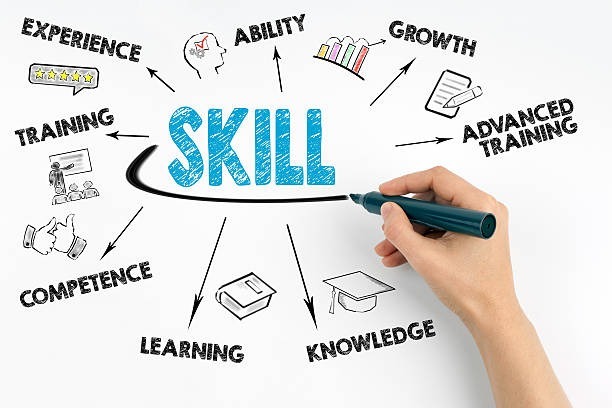
Smart schooling approaches often encourage students to think about personal growth and future planning in practical ways. Learning how to make thoughtful decisions, adapt to changing environments, and prioritize wellbeing becomes valuable at every age. These same principles later help individuals evaluate important life choices, including how to choose the right place for your golden years based on comfort, support systems, lifestyle, and long-term care needs.
When students are raised in environments that value emotional intelligence and independence, they are often better prepared to navigate adulthood with confidence and clarity.
Healthy Food Habits Support Better Learning and Development
Nutrition also plays a major role in holistic growth and academic performance. Children who develop balanced eating habits from an early age often experience better concentration, stable energy levels, and improved overall wellbeing. Smart schools increasingly recognize that healthy routines outside the classroom can directly influence learning outcomes inside it.
Many educational environments now encourage awareness around balanced meals, hydration, and mindful eating habits as part of student wellness initiatives. Families who focus on nutrition at home often look for practical ways to improve everyday diets, including exploring smart grain choices for healthier everyday family meals that provide lasting energy and nutritional balance for growing children.
When healthy habits become part of daily life, students are more likely to maintain stronger focus, participate actively in school activities, and build routines that support long-term physical and mental wellbeing.
Conclusion
Smart schooling approaches support holistic growth by treating children as complete individuals with intellectual, emotional, social, physical, and creative needs. Child-centered learning builds confidence, social-emotional practices strengthen resilience, and experiential learning makes knowledge meaningful. Balanced assessment reduces pressure while keeping standards high, and thoughtful technology use prepares learners for modern life without sacrificing wellbeing.
When schools and families partner closely and create environments that value movement and creativity, education becomes more than academic preparation. It becomes a foundation for lifelong curiosity, steady self-belief, and compassionate leadership—qualities that help children thrive in school and beyond.